
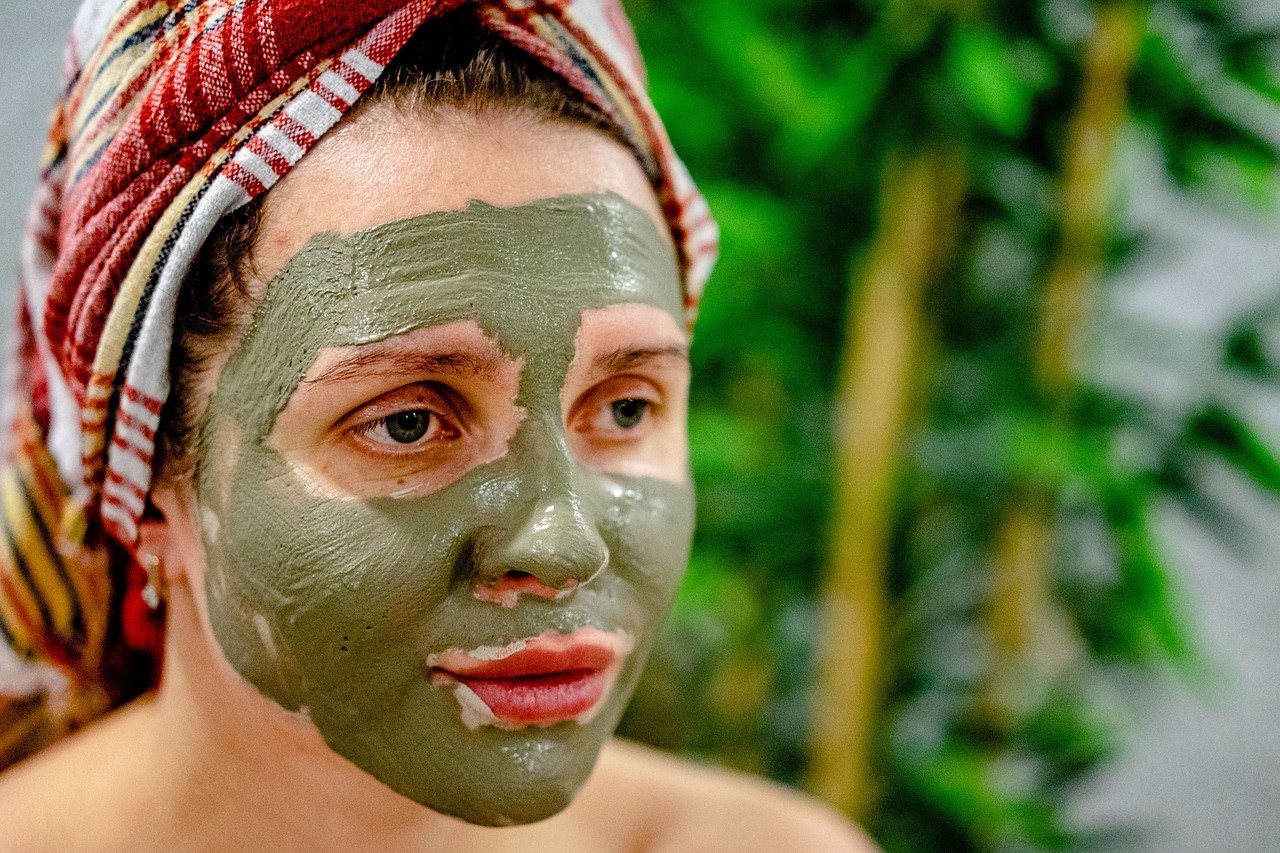
Herbal skincare is more than a trend—it’s a timeless approach to nurturing your skin with the power of nature. Incorporating herbs and plant-based ingredients into your routine can transform your skin, leaving it healthier, brighter, and more resilient. Let’s explore some essential herbal skincare practices that can elevate your daily routine.
Why Choose Herbal Skin Care?
Herbs have been used for centuries to heal, protect, and rejuvenate the skin. They’re rich in vitamins, antioxidants, and anti-inflammatory properties that support your skin’s natural processes. Unlike synthetic products, herbal skincare is gentle and free from harmful chemicals, making it suitable for all skin types.
Chamomile: The Calming Herb
Chamomile is a lifesaver for sensitive or irritated skin. Its soothing properties reduce redness and inflammation, making it ideal for conditions like eczema or rosacea. Brew chamomile tea, let it cool, and use it as a toner or compress for instant relief.
Calendula: The Healing Flower
Calendula, also known as marigold, is a powerful herb for healing and moisturizing the skin. It promotes collagen production and soothes dry, damaged skin. Look for calendula-infused creams or oils, or create your own DIY calendula balm for daily use.
Rose: The Hydration Booster
Rosewater is a staple in herbal skincare, known for its hydrating and toning properties. It balances the skin’s pH, reduces redness, and provides a refreshing boost. Use rosewater as a toner, or add it to your face masks for an extra touch of luxury.
Witch Hazel: The Natural Astringent
Witch hazel is a gentle yet effective astringent that cleanses the skin and tightens pores. It’s particularly helpful for oily or acne-prone skin. Dab a small amount onto a cotton pad and swipe it over your face after cleansing for a smooth, clear complexion.
Turmeric: The Brightening Spice
Turmeric isn’t just for cooking—it’s a powerful herb for brightening the skin and reducing dark spots. Mix turmeric powder with milk or yogurt to create a face mask that leaves your skin radiant and even-toned. Use it once a week for best results.
Lavender: The All-Purpose Herb
Lavender essential oil is a versatile addition to your herbal skincare routine. It soothes irritation, reduces acne, and even promotes wound healing. Add a drop or two to your moisturizer, or mix it with a carrier oil for a calming face massage.
DIY Herbal Steam for Deep Cleansing
Herbal steam is a wonderful way to detoxify your skin and open up your pores. Boil water and add herbs like chamomile, rosemary, or mint. Lean over the bowl, cover your head with a towel, and let the steam cleanse and rejuvenate your skin for 5-10 minutes.
Herbal Oils for Moisturization
Herbal-infused oils, such as jojoba oil with calendula or rosehip oil, provide deep hydration while delivering the benefits of herbs. These oils are rich in vitamins and fatty acids that repair and protect the skin barrier. Apply them as the final step in your nighttime routine for a dewy glow.
Building a Herbal Routine
To incorporate herbal skincare into your routine, start small. Choose one or two products or remedies to try, and observe how your skin responds. Over time, you can expand your regimen with more herbal essentials, customizing it to meet your unique needs.
Final Thoughts
Transforming your routine with herbal skincare essentials allows you to harness the gentle yet powerful benefits of nature. By incorporating chamomile, calendula, rose, and other herbal wonders into your regimen, you can achieve healthier, more radiant skin. Embrace the magic of plants and let them work their natural magic on your skin.