

When a child depends on respiratory support, mobility equipment must do far more than provide movement. It must function as a stable medical base, a positioning system, and a tool for independence. Selecting the right configuration requires careful planning, clinical evaluation, and long-term thinking.
A properly configured child wheelchair becomes part of a child’s daily medical management. For children who rely on ventilators, oxygen systems, or suction equipment, mobility must integrate these devices safely and efficiently.
Understanding Respiratory Integration in Mobility Devices
Respiratory-dependent children often require continuous access to life-support equipment. Integrating these systems into mobility equipment involves structural reinforcement, precise weight distribution, and reliable power supply.
A pediatric power wheelchair is typically recommended when the child cannot self-propel or when medical devices significantly increase overall weight. These systems are designed with stronger frames and higher battery capacity to support both movement and medical technology.
The goal of a well-designed child wheelchair in these cases is to ensure that tubing remains secure, airflow is unobstructed, and caregivers have immediate access when needed.
The Importance of Proper Positioning
Breathing efficiency is directly connected to posture. Poor seating alignment can restrict diaphragm expansion and compromise lung function. For children with respiratory conditions, positioning is not optional it is essential.
A customized child wheelchair often includes:
- Contoured cushions
- Adjustable headrests
- Lateral trunk supports
- Tilt and recline systems
These features help maintain airway alignment and reduce fatigue. In many scenarios, a pediatric power wheelchair includes powered tilt and recline functions, allowing caregivers to adjust positioning quickly for airway clearance or comfort.
Proper seating supports not only respiratory stability but also overall endurance throughout the day.
Structural Design and Equipment Mounting
Transporting ventilators and oxygen tanks requires secure and stable mounting systems. Any added equipment must not interfere with maneuverability or balance.
A medically configured pediatric power wheelchair incorporates reinforced brackets and carefully planned attachment points. These design elements prevent shifting during movement across ramps, sidewalks, or uneven flooring.
At the same time, the child wheelchair must maintain smooth driving performance. Stability testing ensures that the additional medical load does not compromise safety.
Power and Battery Considerations
Respiratory equipment often relies on electrical power. Therefore, battery capacity becomes a critical factor in equipment selection.
A high-quality pediatric power wheelchair typically includes durable batteries capable of supporting both mobility and medical devices for extended periods. Backup planning is also discussed to prepare for long school days or unexpected delays.
Although mobility is the visible function, the child wheelchair effectively becomes a mobile medical station that must perform reliably throughout the day.
Encouraging Independence and Confidence
Mobility plays a vital role in emotional and social development. Children who can move independently experience greater participation in school activities and peer interaction.
A well-fitted child wheelchair enables children to engage at eye level with classmates and explore their surroundings safely. When powered mobility is appropriate, a pediatric power wheelchair reduces dependence on caregivers and allows children to control their own movement.
This independence contributes to confidence, self-esteem, and developmental growth.
Planning for Growth and Long-Term Use
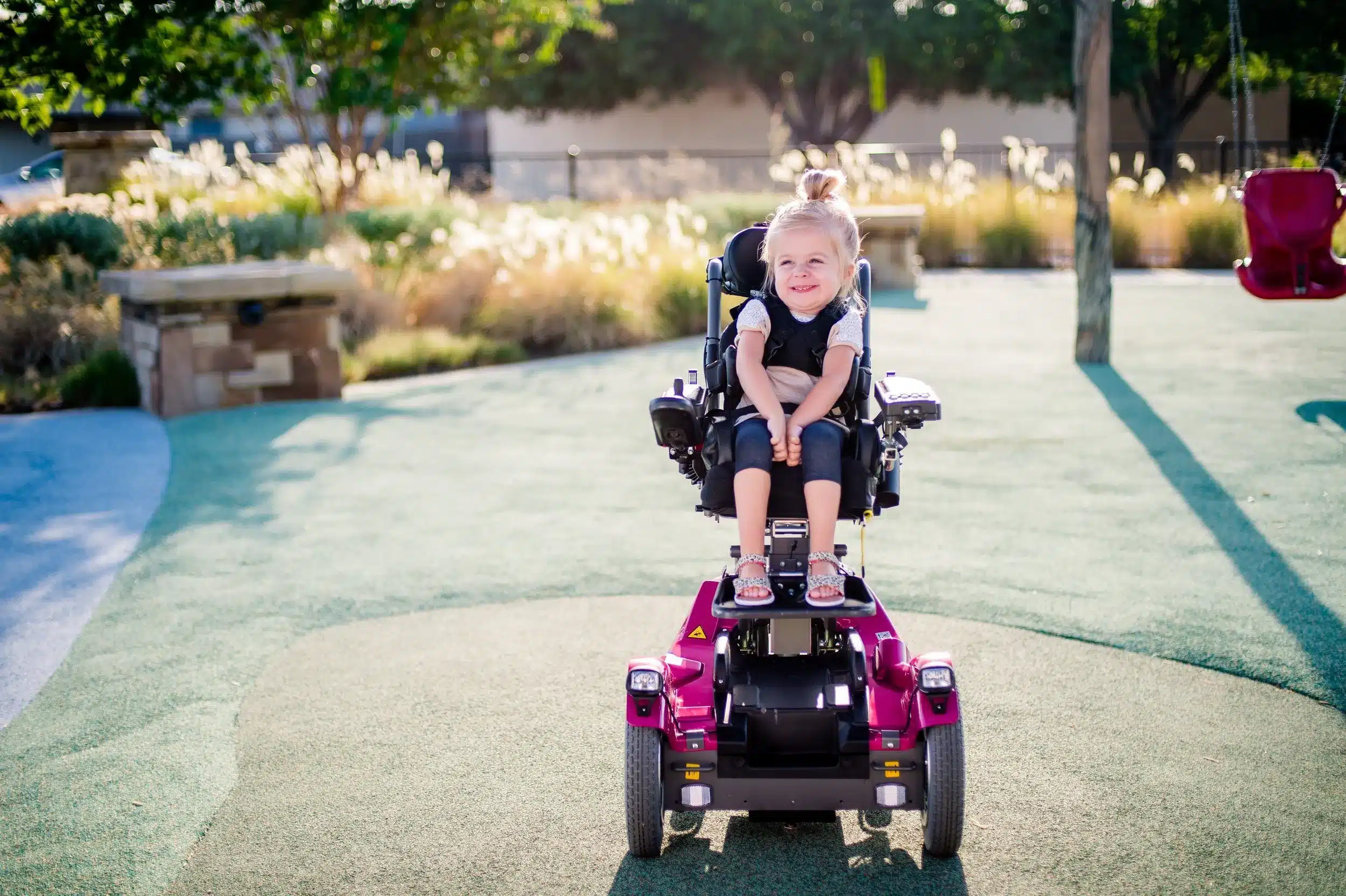
Children grow quickly, and medical needs may evolve over time. Selecting adaptable equipment reduces the need for frequent replacements.
A modular pediatric power wheelchair allows adjustments in seating dimensions and support components. Expandable systems can accommodate growth while maintaining respiratory safety.
Similarly, a customizable child wheelchair platform can be modified if additional medical equipment becomes necessary in the future.
Forward planning ensures both financial efficiency and medical continuity.
Clinical Collaboration and Evaluation
Choosing the appropriate system requires teamwork among pediatricians, pulmonologists, therapists, assistive technology professionals, and families. Trial sessions help confirm comfort, maneuverability, and equipment compatibility.
Documentation is critical, particularly when justifying the need for a specialized pediatric power wheelchair instead of a standard mobility device. Clear clinical reasoning demonstrates why a medically integrated child wheelchair is necessary for both safety and respiratory management.
Conclusion
Selecting mobility equipment for a child with respiratory needs involves more than choosing a chair. It requires thoughtful customization, secure equipment integration, proper positioning, and reliable power systems.
A carefully configured child wheelchair provides essential support and safety, while a medically appropriate pediatric power wheelchair offers independence and long-term adaptability.