
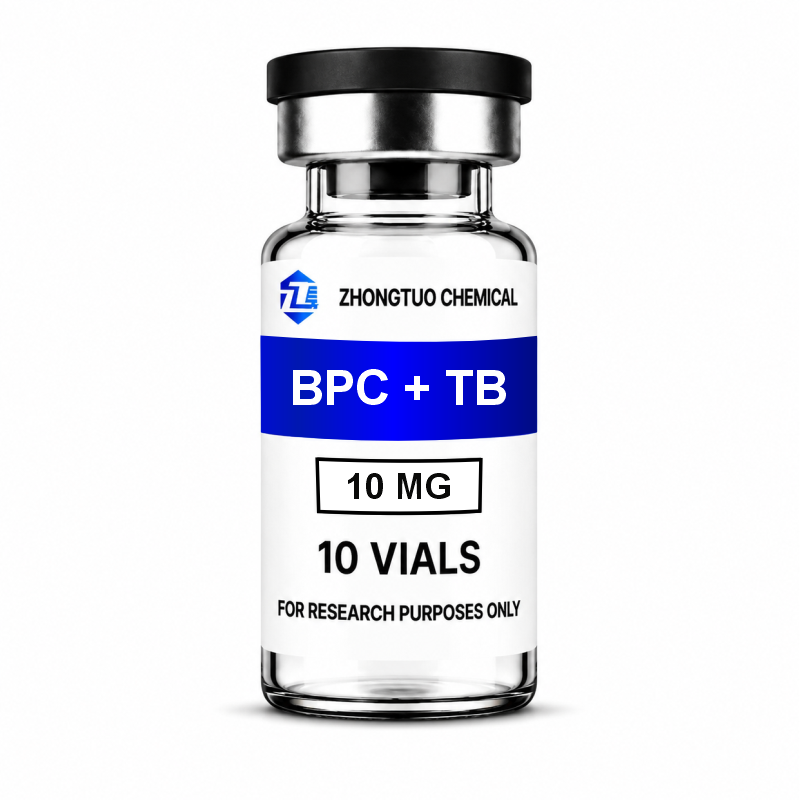
Tissue biology research spans an enormous range of scientific questions, from basic questions about how cells organize into functional tissues to applied questions about how tissues repair themselves after injury. Peptide tools like BPC-157 have become important contributors to this research landscape because of their specific activities in mucosal protection, epithelial repair, and related biological pathways.
This guide is intended to help tissue biology researchers understand the scientific context for BPC-157, how it fits into broader research on tissue repair mechanisms, and what quality standards to look for when sourcing this compound for laboratory use.
BPC-157 in the Context of Mucosal Biology
The mucosal surfaces of the body, including the gastrointestinal epithelium, respiratory epithelium, and other mucosal tissue types, are among the most active sites of tissue repair activity in the organism. These surfaces face continuous exposure to mechanical, chemical, and microbial challenges, and consequently maintain highly active repair mechanisms.
BPC-157 peptide research in mucosal biology contexts investigates how this compound influences mucosal protection and repair pathway activity. Cell culture models using appropriate mucosal epithelial cell types provide controlled systems for studying these effects in vitro.
Epithelial Repair Research Applications
Epithelial repair is a tightly coordinated process involving cell migration to close defects, proliferation to restore cell number, and differentiation to restore proper epithelial function. Understanding how these processes are regulated has implications for research into conditions characterized by impaired epithelial repair.
In research settings, BPC-157 effects on epithelial repair are typically studied using:
- Monolayer wound closure assays measuring migration rate
- Proliferation assays quantifying cell growth responses
- Barrier function assays measuring epithelial integrity
- Signaling pathway analysis targeting repair-relevant kinases and transcription factors
- Gene expression studies identifying BPC-responsive transcriptional programs
TB-500 Peptide Contributions to Epithelial Research
The tb-500 peptide provides complementary tools for epithelial repair research through its association with Thymosin beta4 pathway activity. Thymosin beta4 has been studied in the context of epithelial wound healing, where its effects on actin dynamics and cell migration contribute to the closure of epithelial defects.
Using tb-500 peptide alongside BPC compounds in epithelial repair models allows researchers to investigate how cytoskeletal regulation and broader mucosal repair pathway signaling interact during the repair response. The combined bpc 157 tb 500 blend facilitates this combined investigation in a single experimental system.
Growth Factor Signaling and BPC-157 Research
An important aspect of BPC-157 research is its relationship to growth factor signaling pathways. Growth factors like VEGF, EGF, and HGF play central roles in tissue repair, and BPC compounds appear to influence the activity of these pathways in repair-relevant contexts.
Investigating these interactions in cell culture systems allows researchers to map the signaling relationships between BPC peptide exposure and growth factor pathway activation. This mechanistic information is important for understanding how BPC compounds produce their observed effects on tissue repair markers.
Choosing Cell Models for BPC-157 Research
The choice of cell model significantly affects what can be learned from BPC-157 research. Appropriate cell models include:
- Primary mucosal epithelial cells for physiologically relevant mucosal repair studies
- Established epithelial cell lines such as Caco-2 or HT-29 for gastrointestinal mucosal research
- Endothelial cell lines for angiogenesis research components
- Fibroblast cultures for connective tissue repair pathway studies
- Macrophage cultures for anti-inflammatory mechanism investigations
Selecting the model that best matches the research question ensures that the data generated is interpretable and relevant to the biological processes being studied.
Sourcing Quality BPC-157 for Tissue Research
Tissue biology research assays can be sensitive to compound impurities, particularly when using primary cell cultures that may respond to a broader range of biological signals. Sourcing high-quality bpc-157 peptide from Zlzpeptides ensures that observed effects in these sensitive systems reflect genuine BPC pathway activity rather than impurity effects.
Their BB10 combined formulation and individual BPC product lines are produced to rigorous quality standards with complete batch documentation, giving tissue biology researchers the foundation they need for clean and credible research.
Conclusion
BPC-157 peptide is a scientifically valuable tool for tissue biology research across multiple applications, from mucosal protection and epithelial repair to angiogenesis and anti-inflammatory pathway studies. Combined with TB-500 peptide in the BB10 blend from Zlzpeptides, it enables comprehensive studies of regenerative mechanisms. Quality sourcing ensures these compounds perform reliably in the sensitive assay systems that tissue biology research depends on.