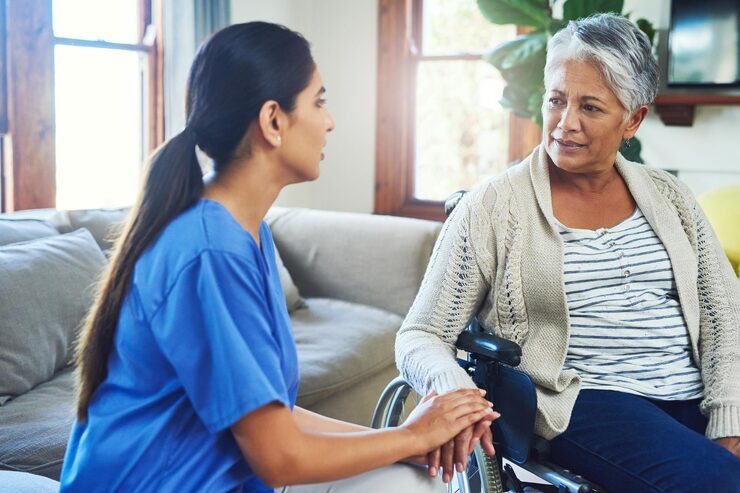
It’s important to get healthcare at home instead of a clinic or hospital for a number of reasons. People are at their most comfortable and like themselves at home. Community nursing allows people who are supported by the NDIS to receive meaningful clinical support without the loss of autonomy, the stress and disruption of repeated hospitalisation.
It may be a service that can make the difference between remaining in the community and having to enter residential care before they are ready or ready to accept it.
What do community nursing in the home support
Community nursing can provide care for a wide range of conditions in a home and/or community environment. Registered Nurses who assist with NDIS community nursing can help participants with complex medication management, chronic disease management (such as diabetes and heart disease), wound care, post surgical care, assist with nutrition and enteral feeding support and a variety of other clinical requirements.
The important thing is that these services are real clinical services provided by trained and registered professionals. They need the level of health understanding, clinical decision making and professional responsibility that can only be provided by registered nurses. Wise Care Services provides these services, with clinical experience with nurses spanning more than 15 years, bringing that experience to participants’ homes and community setting.
Nursing : Medication Management
One of the most crucial and hazardous components of clinical care in the community is managing medications. Many NDIS participants are on multiple medications, some of which have a complex dosage schedule and significant consequences for mistakes. Medication management mistakes can cause serious health problems, hospitalisation or even death.
NDIS community nursing also involves the proper assessment of medication, administration monitoring and documentation by a registered nurse. Nurses can detect interactions, report any concerns to prescribing physicians and verify that participants are taking the correct medication(s) in the correct dosage and at the appropriate time(s). This clinical supervision is protective where participants have complex medication regimes and no one but the clinical team can provide it.
Why is Post Hospital Support of community-nursing so important
People with disability and complex health needs are at risk of poor outcomes at transition times from hospital to community. A risk of readmission rises sharply if they do not receive proper clinical help immediately after discharge. Community nursing fills this gap by providing skilled clinical monitoring and care during the first days and weeks after the participant goes home.
Community nursing encompasses wound monitoring, medication reconciliation, health assessments, and liaison with the hospital discharge team, to assure continuity. The presence of an RN in the community shortly after discharge offers a sense of reassurance and clinical safety to the families that are supporting a person in making this transition.
Is it possible for Community Nursing to support chronic disease management
Absolutely. A major aspect of community nursing support through the NDIS is chronic disease management. Medical issues such as diabetes, cardiovascular disease, respiratory disease, neurological disease, etc., need to be monitored and managed with medications, lifestyle modifications, and a team of specialists.
A regular visit from a registered nurse, who is able to identify health issues, review medications and monitor chronic disease markers, identifies issues before they become serious. This proactive approach helps to minimise emergency situations, reduce hospitalisation rates and improve the health of participants. This constant, face-to-face connection in the community is truly life changing for a person with disability and a chronic condition.
How Community Nursing Co-ordinates with other members of the Support Team
Community nursing is not done in isolation. Registered nurses who are able to work with support workers, occupational therapists, physiotherapists, GPs and specialists in a participant’s community and ensure that all elements of their health and support needs are being coordinated.
The Wise Care Services nurse-led approach to care naturally supports this coordination. Clinical and support functions take place in the same provider context, which means that there is direct and consistent communication between team members. Information is passed on efficiently and not lost in the gaps between organisations. This help coordination yields improved health outcomes and minimises the risk of something falling through the cracks.
What is a normal visit to the community like for a nurse
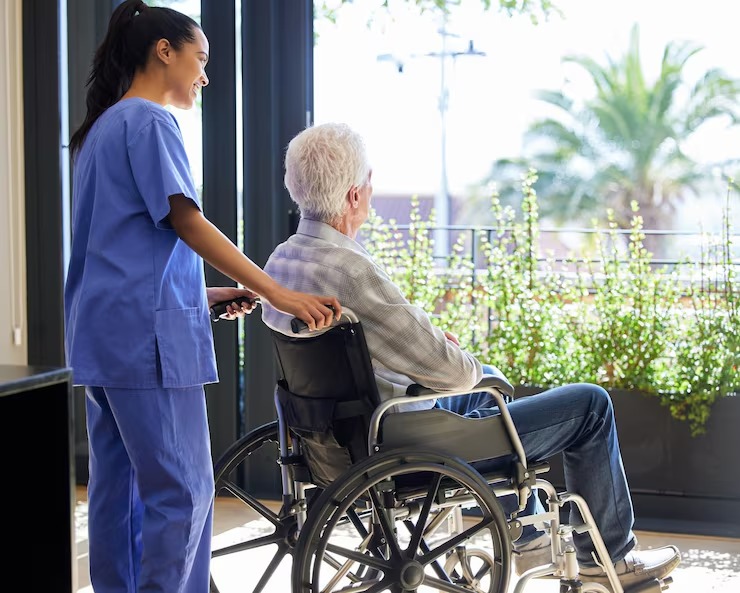
The usage of a community visit is different for each participant and according to the plan. It may start with a health assessment – which includes taking vital signs, checking on medications, examining wounds or skin integrity. This could involve providing the clinical treatments needed or supervising the giving of medication. The nurse will record their findings, make necessary changes to care plans, and share information with other members of the care team.
It always involves a real clinical interaction, based on clinical knowledge and things that are really concerning the person’s wellbeing. The registered nurse isn’t merely coming to check off boxes. Their work is creating a continuous health profile of the participant and using that profile to give proactive and responsive clinical help.
What Makes a Great NDIS Service Provider
Sometimes good service providers qualify as bright lights and sometimes it’s not clear.Not all the things that make a good NDIS service provider are evident from a website or a phone call. They are apparent in their daily service. Staffing is a big deal. A high turnover in support workers does not provide the type of continuity that leads to good outcomes and trust.
Another measure of quality is clinical competency. Registered nurse staff on the provider team—rather than only credentialed, but not actively involved in service delivery—provide a higher level of safety and supervision in the provider’s model. Wise Care Services is based on this very model and their service design and delivery is rooted in more than 15 years of clinical nursing experience.
Conclusion
One of the more clinically meaningful supports that can be provided to participants that have complex health needs is NDIS community nursing. If provided by a registered nurse, when delivered within a nurse-led model of service delivery, it will allow for independent living within the community that would not be possible without it. Those who use community nursing services in Melbourne, either as part of an integrated provider, will be able to access clinical expertise, coordination of care and, crucially, a human touch that can make the difference between a home and an institutional setting when it comes to effective and dignified health care.
FAQ
Q: What is included in NDIS community nursing visits
A: NDIS community nursing visits typically include health assessments, medication management, wound care, chronic disease monitoring, and coordination with other healthcare providers, all delivered by a registered nurse.
Q: How often can a registered nurse visit under NDIS community nursing
A: Visit frequency depends on the participant’s NDIS plan and clinical needs. Some participants receive daily nursing visits while others may have weekly or fortnightly visits depending on their health complexity and support goals.
Q: Is community nursing available for younger NDIS participants
A: Yes. NDIS community nursing is available to participants of all ages who have clinical support needs included in their plan. It is not limited to older participants or those in residential settings.