

If you’re ready to invest in your fitness journey, one of the first questions that comes to mind is about personal training prices. Understanding the cost, value, benefits, and what you should look for in a trainer will help you make a smart decision that supports your health and fitness goals. This guide breaks down everything you need to know before signing up for a training program.
What Makes Personal Training Worth the Investment?
Personal training gives you more than structured workouts. You get one-on-one support, expert guidance, and accountability that helps you stay consistent. A trainer tailors each session to your needs, fitness level, and goals, helping you avoid injuries and get results faster than attempting it alone. With professional support, people experience higher motivation, improved movement, and long-term lifestyle improvement.
Factors That Influence Personal Training Prices
Not all training costs are the same, and several factors influence how much you pay. The trainer’s experience level, the location of the training studio, session frequency, and what’s included in the package all make a difference. For example, certified professionals with specialized skill sets like strength conditioning or mobility training usually charge more due to the advanced expertise they provide. Prices also vary by city or state, with larger cities typically costing more.
Breakdown of Typical Personal Training Costs
To understand how pricing works, it helps to look at the different formats trainers offer. One-on-one training often comes at a premium because you get the trainer’s undivided attention. Small group sessions are more affordable, as the cost is shared among participants. Monthly and bundled packages typically give the best long-term value because they reduce the cost per session.
Why Assisted Stretching Adds Extra Value
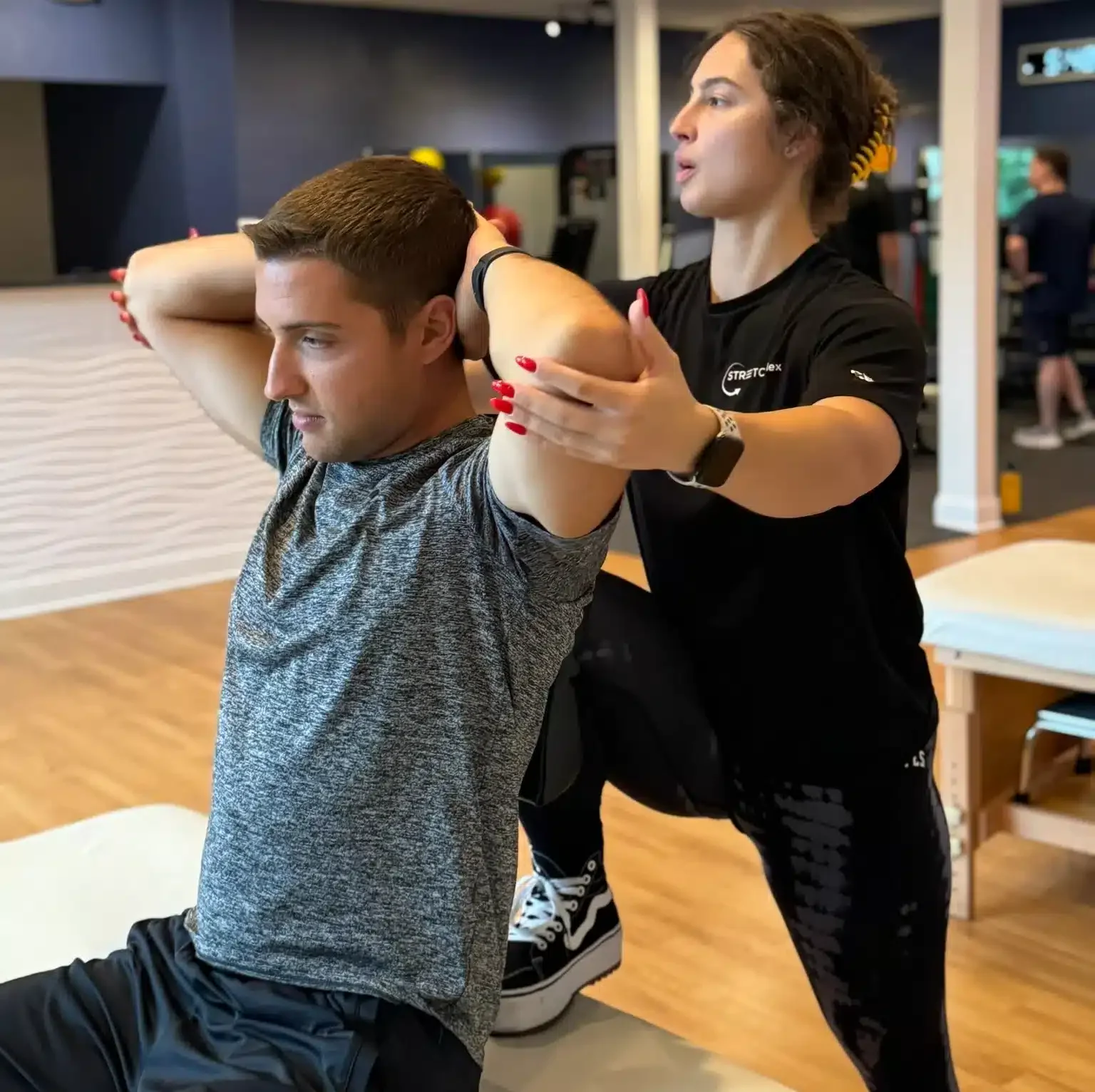
Many fitness studios are now incorporating assisted stretching into their training sessions. This method improves flexibility, reduces muscle tightness, and enhances recovery time, making workouts more effective. Assisted stretching can prevent injuries, boost range of motion, and improve posture. When combined with personalized training, it increases overall wellness, making programs more beneficial and results more sustainable.
Choosing a Training Program That Matches Your Fitness Goals
Before signing up, know what you want to achieve. Some people focus on weight loss, others want strength building, while some aim to improve flexibility or mobility. Select a program that aligns with your goals. A well-structured program should include fitness assessments, progress tracking, and ongoing adjustments. This ensures training remains effective and tailored to your personal development.
The Value of a Combined Stretching and Training Program
A training program that blends strengthening exercises with stretching provides a balanced approach. This combination supports better muscle performance and recovery while reducing soreness. Mixing mobility and strength helps you move better, feel better, and perform better in daily activities. Programs that incorporate stretching before or after workouts often lead to faster results because your body functions more efficiently during exercise.
Comparing Training Plans to Find the Best Fit
When comparing plans, look beyond the price tag. Consider how many sessions are included, the length of each session, and any additional services. Some plans include movement assessments, posture analysis, or nutrition guidance. Choosing a plan that fits your lifestyle, budget, and goals will give you the best long-term value. Midway through your decision process, explore whether a wellness package offers more for your investment by bundling stretching, training, and recovery services.
How to Tell if a Training Program is High Quality
A quality training program should begin with a consultation. This may include discussing your goals, reviewing your health history, and assessing your movement. Trainers should communicate clearly, listen to your concerns, and tailor sessions to meet your needs. A professional should track your progress, adjust your workouts based on performance, and provide ongoing support to help you stay motivated. Transparency in pricing, clear expectations, and consistent communication are essential indicators of a reputable program.
When Is the Right Time to Invest in Personal Training?
The best time to start is when you’re ready to commit to improving your health. If you’re struggling with consistency, lack of motivation, limited progress, or recurring discomfort during exercise, a trainer can provide the guidance you need. Investing in professional support is often a turning point for people who have struggled with self-guided fitness plans. Starting now helps you build momentum that leads to long-term success.
Final Thoughts
Understanding personal training prices is an important step toward choosing a program that delivers real value. A good plan will support your fitness journey, align with your goals, and offer services that enhance your overall well-being. Look at what each plan includes, check for added benefits like assisted stretching, and choose a training provider committed to your progress. With the right program, your fitness investment will pay off in improved health, strength, mobility, and confidence.
Frequently Asked Questions
- What is the average cost of personal training?
Costs vary depending on location, trainer experience, and session type, but most pricing structures offer options for single sessions, bundles, or monthly plans to fit different budgets. - Are training packages more affordable than single sessions?
Yes. Packages often reduce the cost per session and may include additional services, offering more value than paying for one session at a time. - How do I know if personal training is right for me?
If you want personalized support, structured workouts, professional guidance, and accountability to reach your fitness goals, personal training is a highly effective choice.